

13 Jun Ancestor Newsletter- June 13, 2026
ANCESTOR THE NEWSLETTER PODCAST STYLE!
You can now listen as well as read the Dancestors Genealogy Newsletter.
Listen to all Dancestors Genealogy newsletters on our podcast page.
ANCESTOR- FROM GROCER TO LORD OF THE MANOR
While traveling and visiting the homes of some early Dutch patroons, I came across an organization called The Order of Colonial Lords of Manors in America. The mission of the Order of Colonial Lords of Manors in America is to research and preserve the history of patroonships, seigneuries, and manors in Colonial North America, as well as to promote education on colonial life and further historic preservation.
When I went to the website and looked at who these folks were that you could trace your ancestry to, I noticed the Tilghman name, which was ironic, since I’d just written the article on Tench Tilghman NELSON TILGHMAN and his relationship to Tilghman Jewelers and to my uncle’s architectural partner. Here’s the line:
Oswald Tilghman was a merchant grocer in London. His son Richard Tilghman became a Surgeon in the British Royal Navy. He sailed to America in 1661, and again in 1667. Lord Baltimore, Governor of Maryland, granted him 400 acres. In 1659, he was granted an additional 1,000 acres in Easton, Talbot County, and built the first house on what was originally called “the Manor of Tilghman’s Fortune.” This became Canterbury Manor, which he sold to Richard Preston in 1665, “together with all Royaltys and Privileedges most usually belonging to manors in England.”
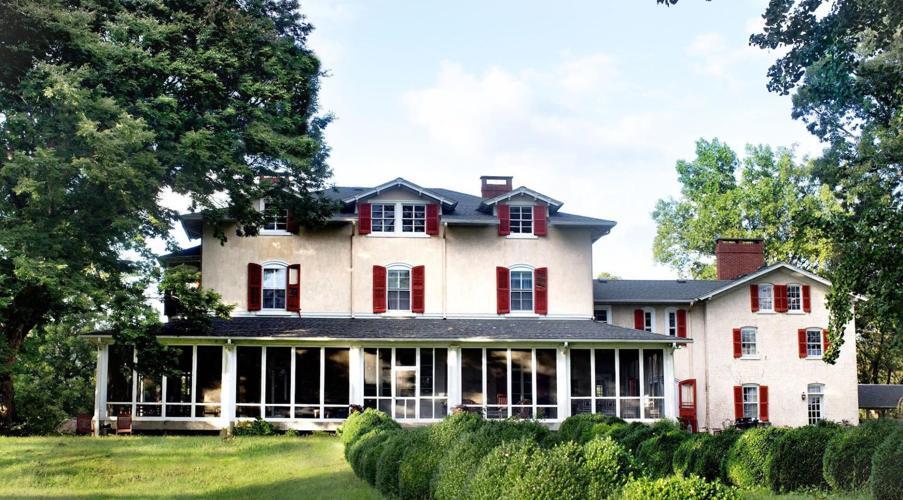
He married Mary Foxley in London in 1648/49 and had about 5 children and built the Hermitage (pictured above). One of his sons was Colonel Richard Tilghman who was born at the Hermitage, in Queen Anne’s County, Maryland. He represented Talbot County in the Maryland Legislature (1698-1702). He was a Member of the Lord Proprietor’s Council (1711-1738) and Chancellor of Maryland, 1722. He advanced the funds (and was later repaid) to build the second church at Chester.
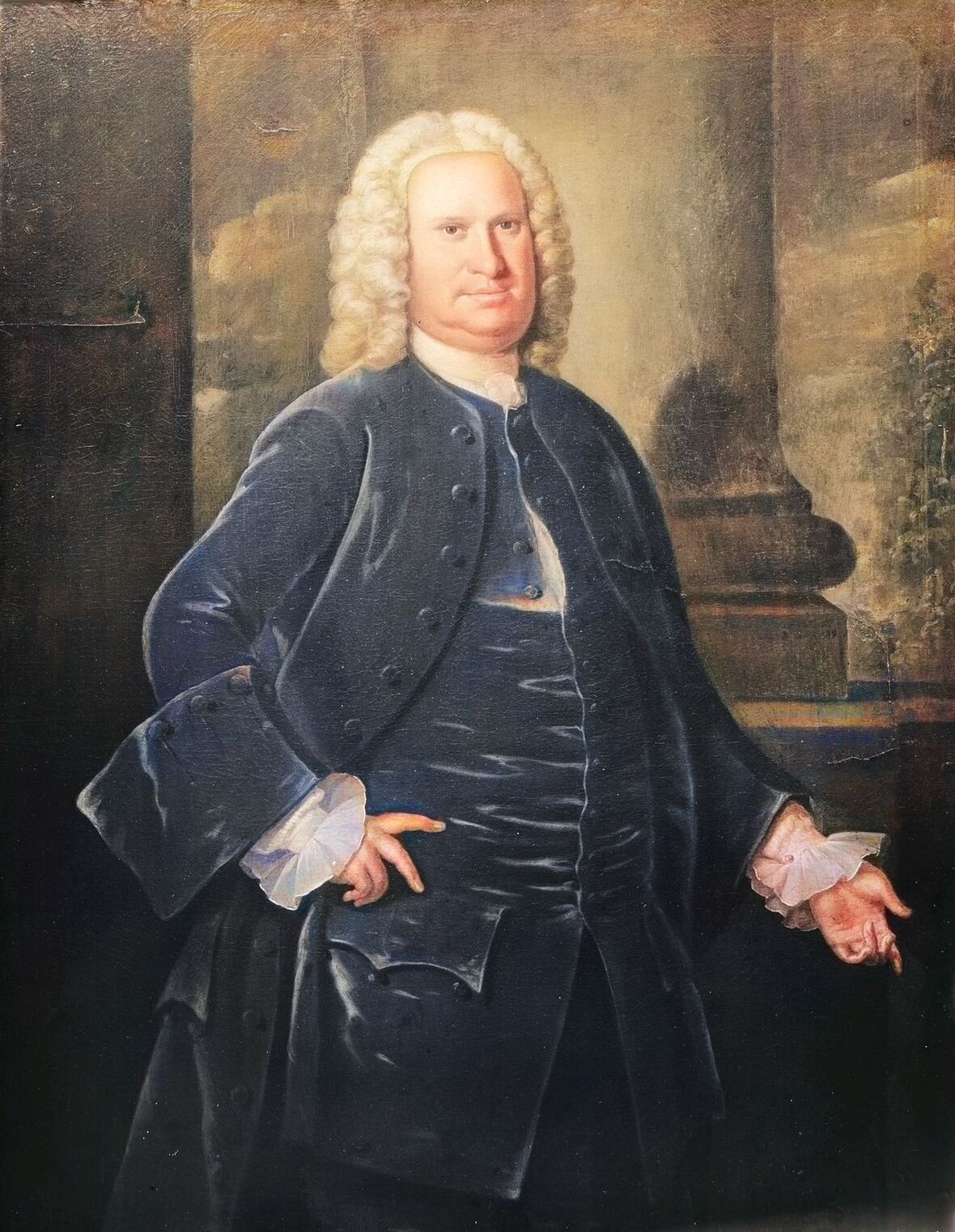
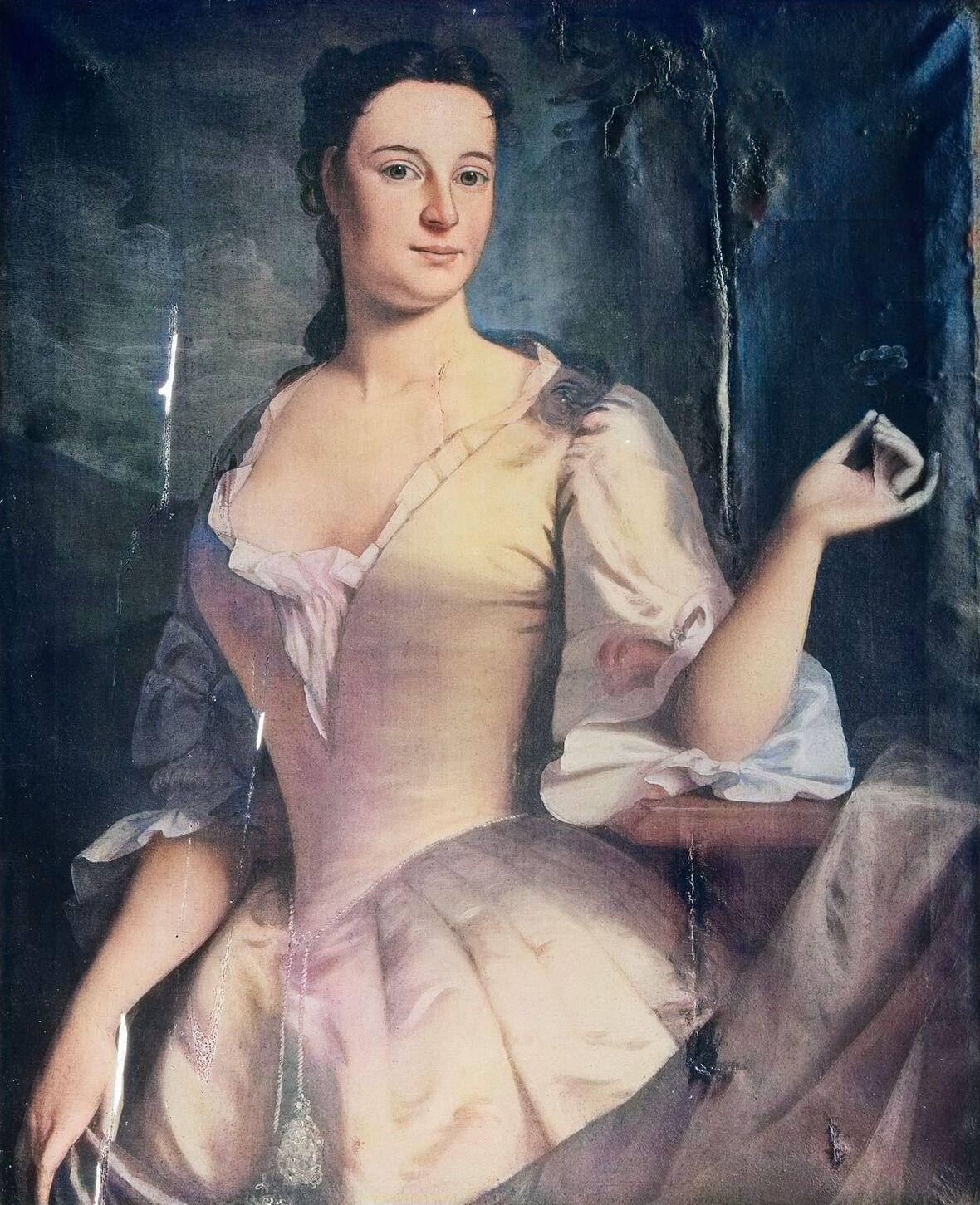
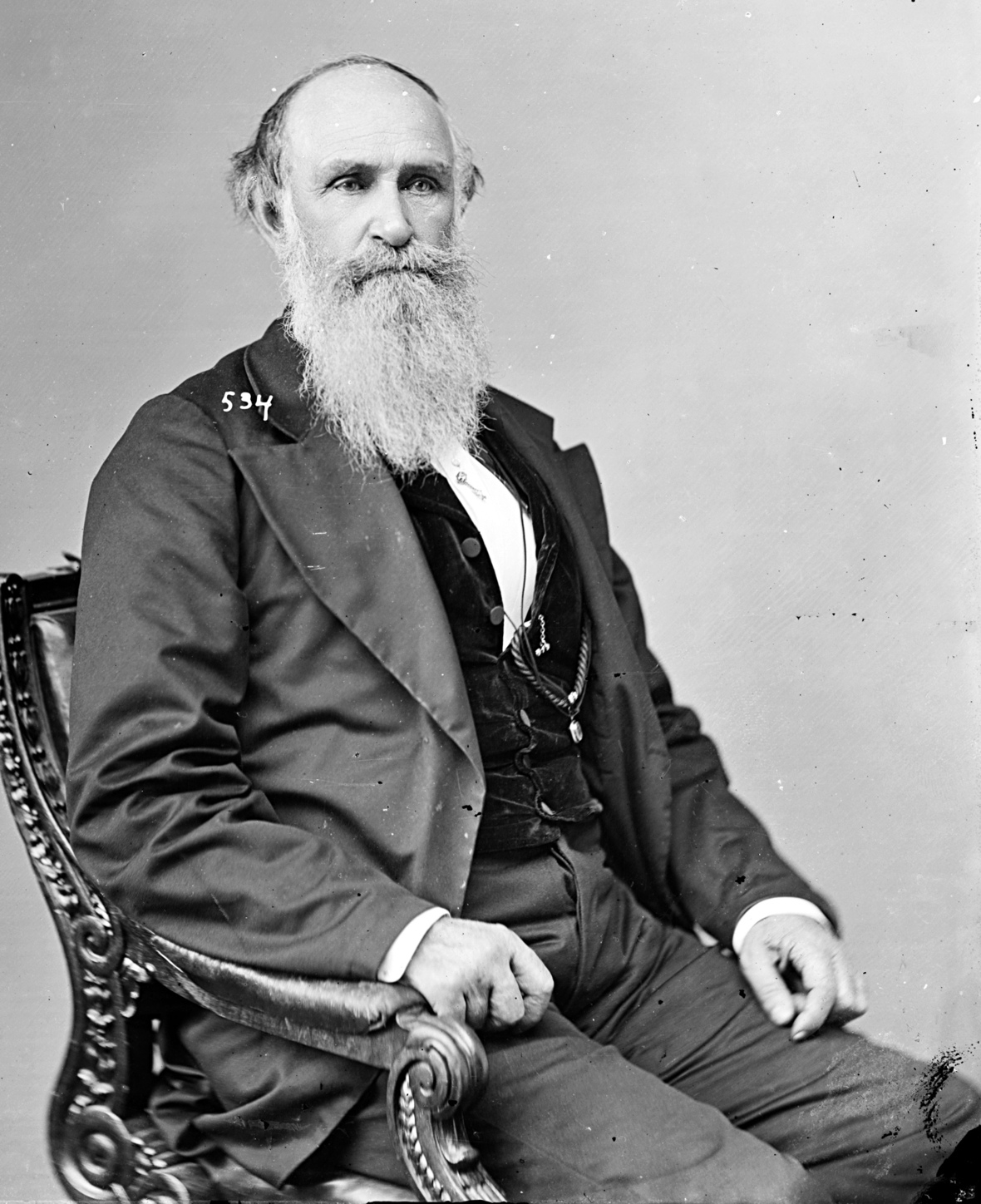
In 1700, Colonel Richard married Anna Maria Lloyd and had nine children. Their son James Tilghman (1716–1793) (pictured below) was born at the Hermitage, on the Chester River in Talbot County, Maryland’s Eastern Shore. After studying law, Tilghman began his practice in Annapolis and in 1743 married Anne Francis (1727–1771) (pictured below), daughter of Tench Francis, Sr.
They had sons:
- Tench Tilghman (1744–1786), aide-de-camp to George Washington during the American Revolution, whom we covered in the last edition
- William Tilghman (1756–1827) became the chief justice of Pennsylvania in 1806.
In about 1760, James moved to Philadelphia, where he held many positions of public service, including Secretary of the Land Office of Pennsylvania (appointed by John Penn in 1765), Philadelphia City Councilman (1764), and member of the Pennsylvania Provincial Council (1767). In 1768, he was elected a member of the American Philosophical Society (founded by Benjamin Franklin).
At the outbreak of the American Revolution, Tilghman at first favored compromise between England and the colonies; while he called for a repeal of the Intolerable Acts, which were so abhorred by colonists, he at the same time denounced the Boston Tea Party. He was regarded, however, as a Loyalist and was arrested by Pennsylvania authorities until 1778.
Tilghman was a trustee of the College of Philadelphia (now the University of Pennsylvania) from 1775 to 1788, when he resigned. Tilghman’s youngest brother was Matthew Tilghman, a delegate to the First and Second Continental Congresses.
Apparently, he was forgiven for his Loyalist leanings as James Tilghman died at his family home in Chestertown, Kent County, Maryland, in 1793.
ANCESTOR- ONCE AGAIN, I GET TO VISIT MY ANCESTOR’S LAND
In the last edition I shared the discovery of my Adam’s ancestor’s lands and my Stevenson ancestry beyond my Great-Great- Great Grandfather David Stevenson. ADAMS & STEVENSON Besides looking to expand beyond David, I wanted to find out more about David.
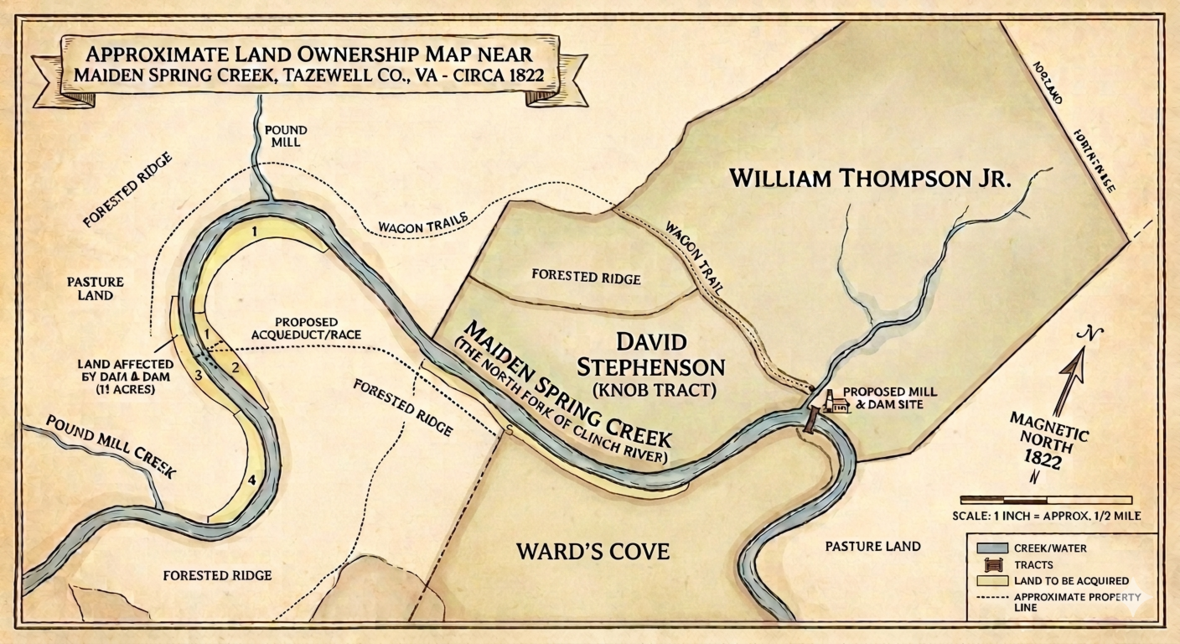
I found this court record: “In July 1822, William Thompson Jr. petitioned the Tazewell County Court to build a sawmill and a water grist mill on his property along the Maiden Spring Fork of the Clinch River. Because building the mill could impact adjacent lands, the court issued a writ of ad quod damnum to evaluate potential property damage, flooding, or environmental hazards. Neighboring landowners who received legal notification of the application but did not appear in court include: John Belsha, Robert Belsha, Craven Belsha, and David Stephenson.”
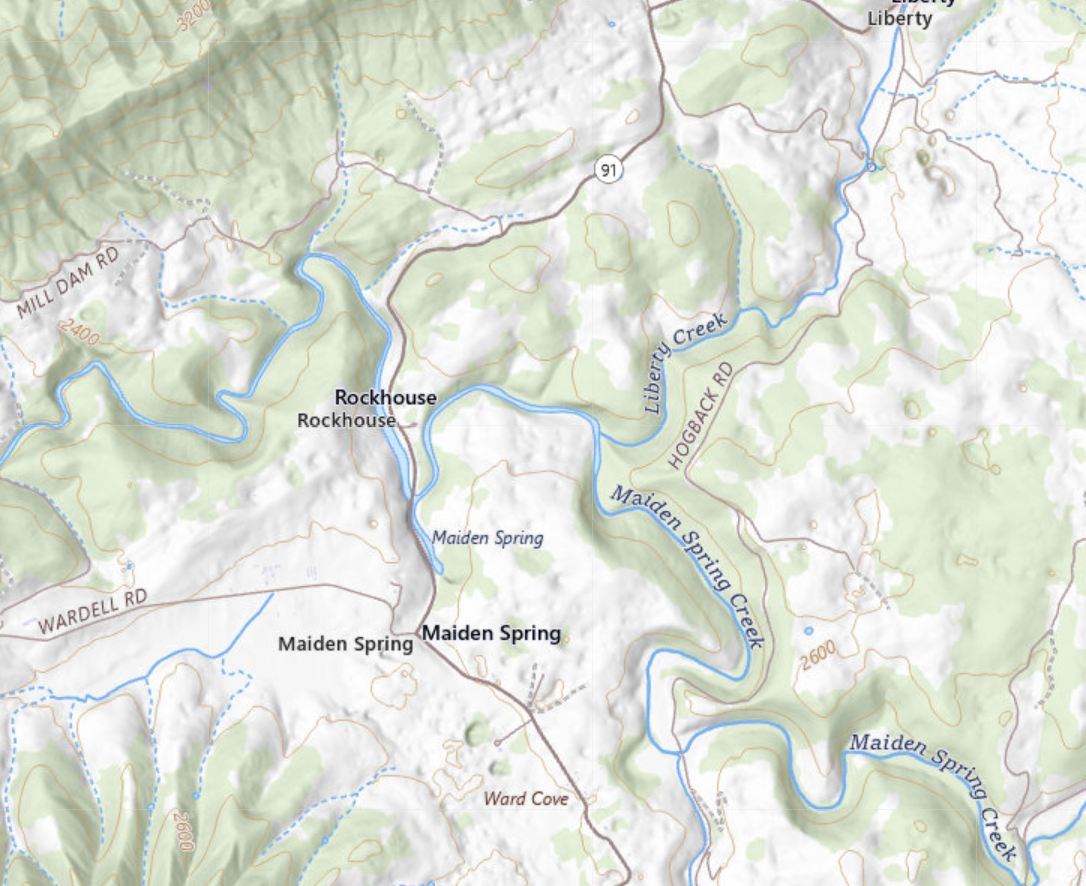
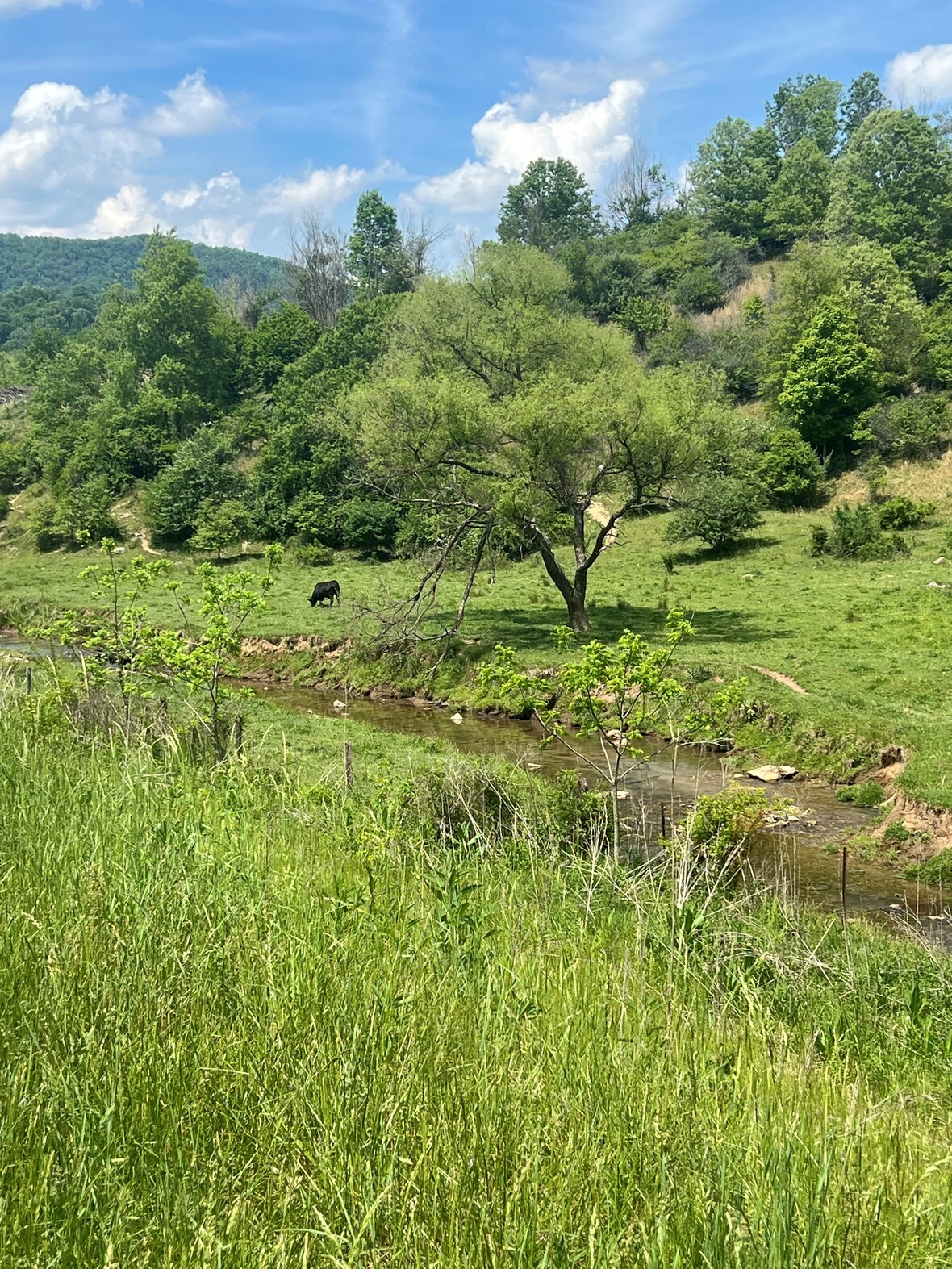
What this entry told me was where my ancestor, David Stevenson, lived in Tazewell. Robert Belsha was his brother-in-law. Below is a topographic map that shows Maiden Spring. You can see landmarks such as the spring itself, which flows out of a limestone cave. When we drove to the intersection (it was conveniently on our route home), we saw the spring water flowing, but we were a bit confused because the water was labeled “Little River.” It turns out the water that flows west is Little River, and the water that flows east is the Maiden Spring Fork of the Clinch River (pictured below with a token cow).
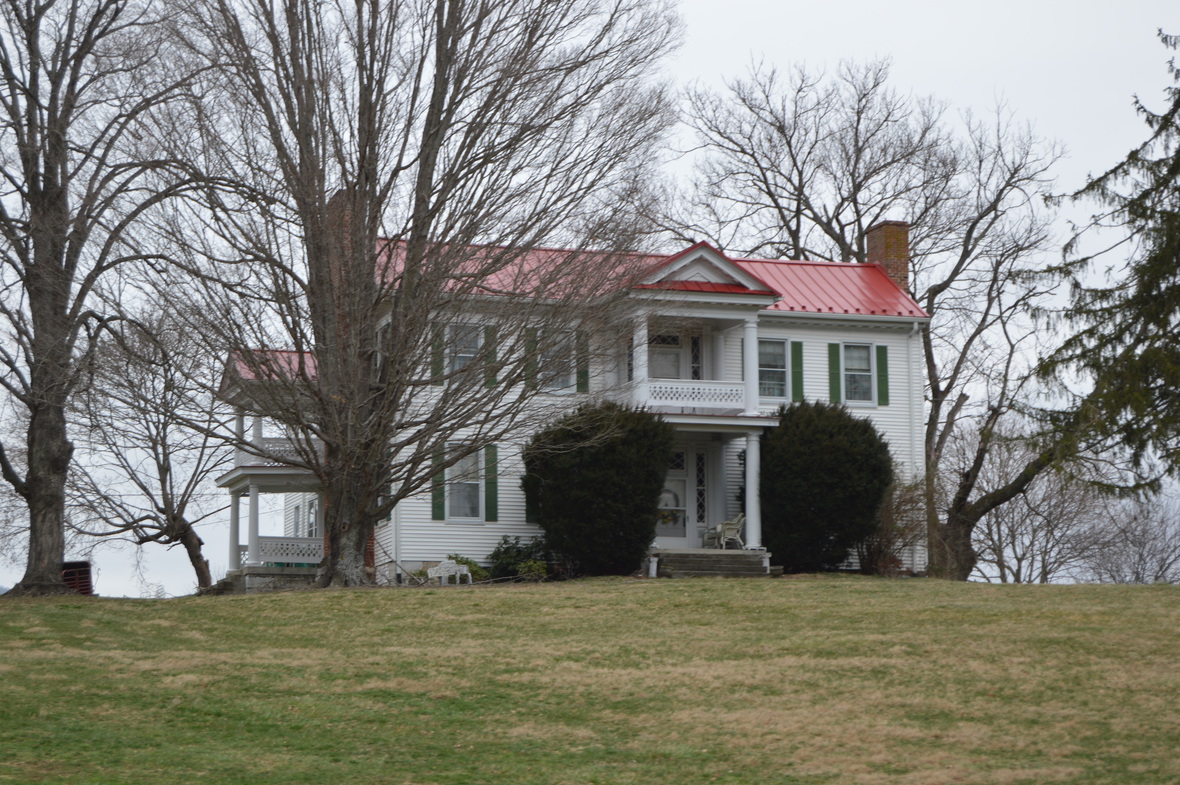
When you get to the intersection of Wardell Road and 91, on the northwest corner is the Maiden Spring Historic District, which includes a historic homestead and farm complex in Pounding Mill, Tazewell County, Virginia, recognized as one of Southwest Virginia’s most intact antebellum properties and listed on the National Register of Historic Places (pictured below).
The site originated in the frontier era with Maiden Springs Fort, a stockade founded around 1773 by Rees Bowen as a defensive bastion during Indian conflicts, and was garrisoned during Dunmore’s War of 1774, though it faced no recorded assaults. The main brick house, constructed in 1838 for Rees Tate Bowen (pictured above)—a Virginia legislator during the Civil War and subsequent U.S. Congressman—features detailed trim, two-level porticos, and preserved interiors, and is surrounded by mid-19th-century outbuildings, including a barn aligned with the original fields.
Home to the Bowen family for seven generations, including Congressman Henry Bowen (son of Rees Tate), the property hosted Confederate troops in 1862 while they defended the nearby Saltville saltworks, underscoring its role in regional Civil War logistics. The home still stands and commands quite a view of the surrounding countryside.
The map (pictured below) was created using AI and does its best to capture the lands with 1822 boundaries.
ANCESTOR- EVERY GENERATION HAS A STORY
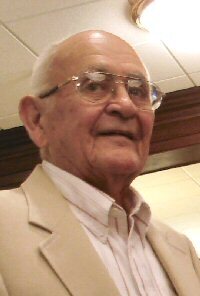
When I was checking with my cousin, on who exactly was my uncle’s partner at Nelson Tilghman & Associates, Architects, he came back and told me as best as he could recall from his childhood, that it was George C. Tilghman. We shared in the last edition that George was the nephew of Thomas Oswald Tilghman Sr, the founder of Tilghman Jewelers of Annapolis, founded 1924, and the first cousin of his only child Thomas Jr. who continued running the jewelry store.
What I came across was a WW2 story, my cousin had never heard of as a kid, but is as amazing as his ancestor’s stories:
Mr. George Crist Tilghman was born Nov. 16, 1923, in Washington, D.C., the son of the late George Davidson Tilghman and Monell Crist Tilghman.
He attended St. Mary’s Elementary School, Fishburne Academy and Pennsylvania State University. He received an architectural degree from the Catholic University of America and a second degree from its Construction Specifications Institute. He was predominantly a self-employed architect in the Washington, D.C., northern Virginia and Maryland areas.
He was one of only 3 men of his crew who survived their May 29, 1945 mission over Yokohama – their 6th mission. 8 men made it out of the crippled B-29. One man was so badly injured a rope was tied to his ripcord, but his chute never opened and he was never seen again. Fred Dunn was picked up first. George and crewmate Joseph P. Miller spent over 30 hours in the vast pacific before they were rescued. They had learned that a Japanese boat had been sunk between Tilghman and Miller’s position in the water – they surmised that the other 4 men who had bailout may have been aboard the Japanese boat. George was the last living member of his crew.
He was a member of the Annapolis Yacht Club, the Annapolis Yacht Basin, the American Institute of Architects and the Maryland Historical Trust. He was president of the Construction Specification Institute and served on the Board of Governors at the Calvert Marine Museum.
He also was on the architectural review committee of St. Leonard, MD, a member of St. John Vianney Catholic Church in Prince Frederick. His interests also included sailing and travel.
George served as Treasurer of the 39th Bomb Group (VH) Association from 1997 to present.
ANCESTOR- MY FAMOUS DUTCH DIPLOMAT ANCESTOR
I was scouring my two Dutch lines for heritage visits since we have a couple of unplanned days in the Netherlands.
In the process, I reacquainted myself with my most famous European ancestor, Dr. Nicasius de Sille (1543–1600),
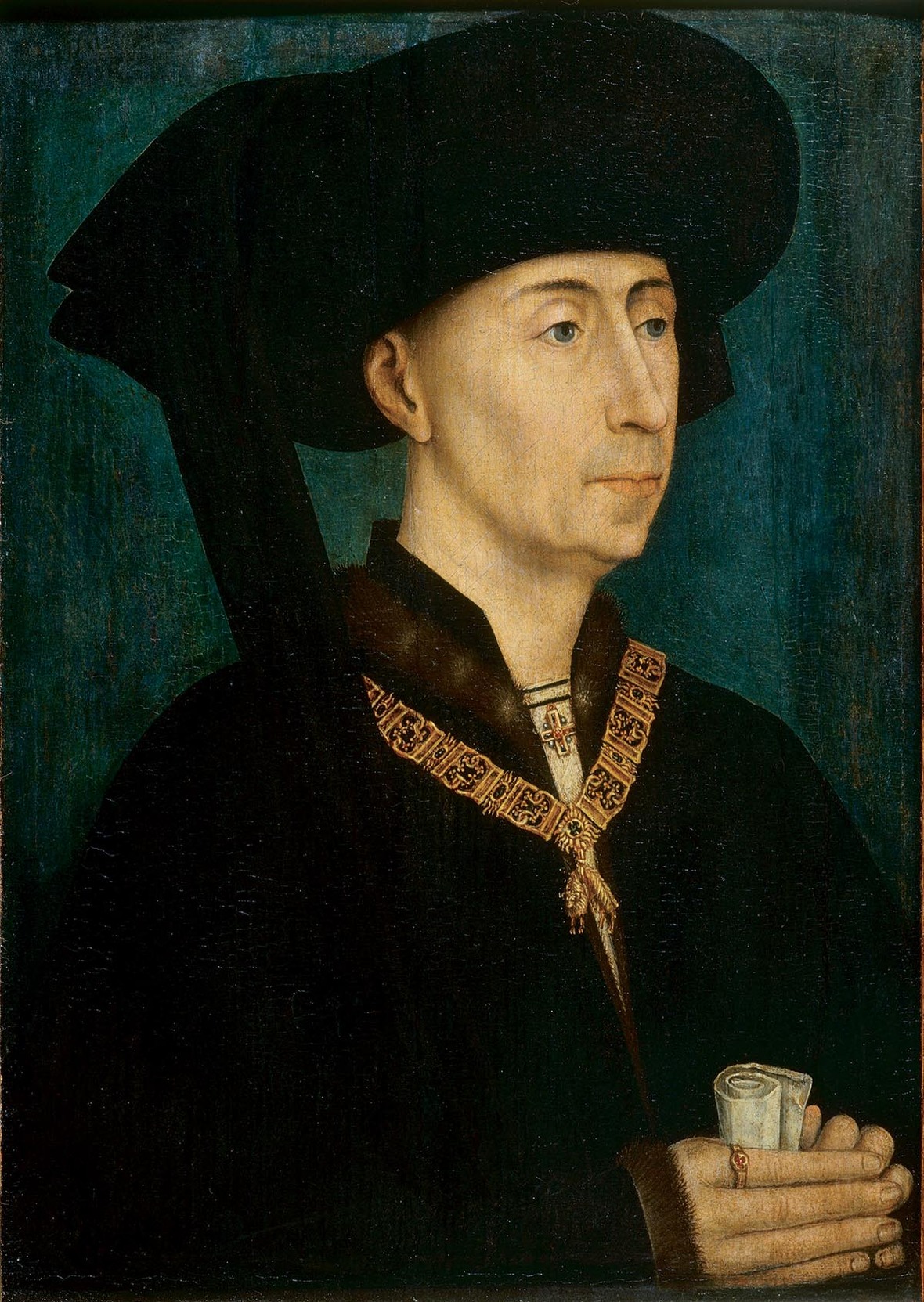
Nicasius was born August 3, 1543, in the city of Mechelen, Habsburg Netherlands, the son of Nicolaas de Sille and Barbara van der Goes. His grandfather was Jasper de Sille, and his great-grandfather, Antonius de Sille, was a page for Philip, Duke of Burgundy (pictured below left).
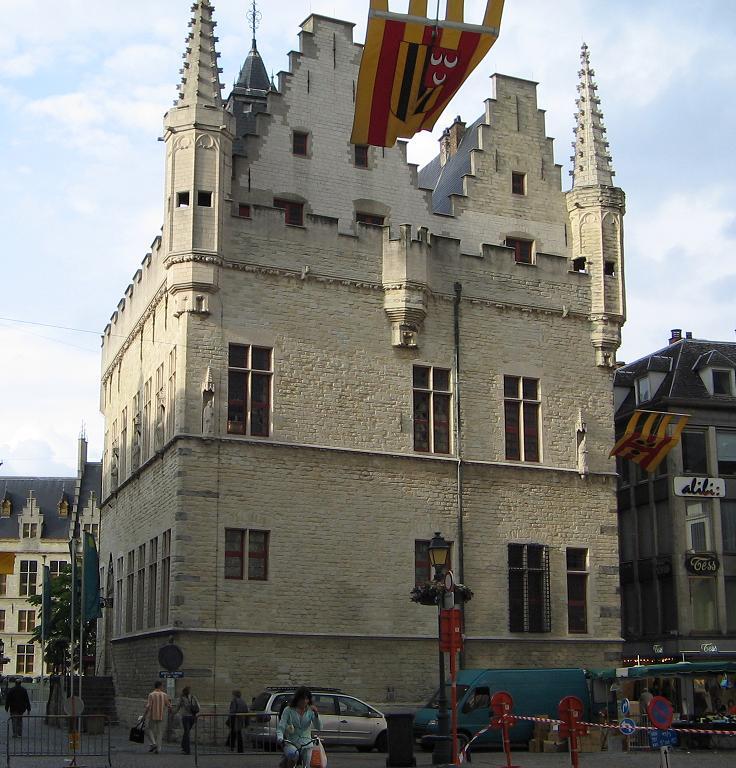
He spent his early life studying, eventually becoming a Doctor Juris and practicing at the Superior Court of Mechelen (pictured below center).
In 1576, Nicasius was sent by the state to annex Gelderland. In 1577, he became the pensionary of Namur and represented the city at the Assembly of Brussels. The following year, he signed the Union of Brussels. UNION OF BRUSSELS
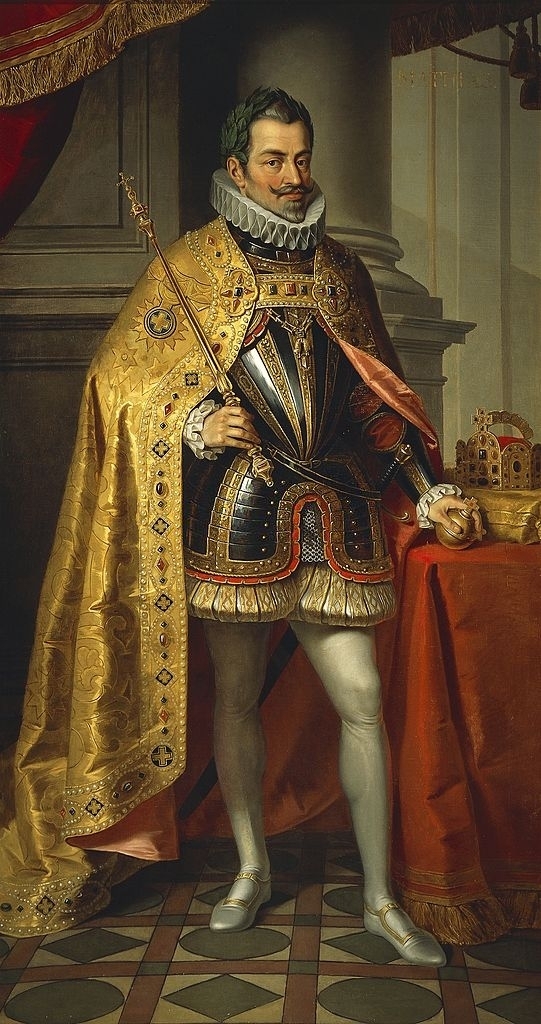
In 1578, he became secretary to the Council of State for Archduke and future Holy Roman Emperor Matthias (pictured below right), who had become governor-general of the Netherlands as a result of the Dutch revolt, and secretary for the General States. After the fall of the Southern Provinces, de Sille moved to Holland, where he became pensionary of Amsterdam while maintaining his duties as secretary. In 1579, on a mission to secure Mechelen, he was arrested and imprisoned out of revenge, but was released shortly thereafter.
In 1584, de Sille drafted the conditions of homage for Prince William to negotiate with the Earl of Leicester regarding control of the Habsburg Netherlands. Later that year, Nicasius was sent as a deputy to the States-General, marking the first of repeated terms until his death in 1600.
In 1587, de Sille was sent as a special ambassador to England, appearing at the embassy before Queen Elizabeth. He is mentioned in Elizabeth’s “Calendar of State Papers Foreign” on several occasions. Following the successful mission, Nicasius was sent several times as a special ambassador to Denmark, Germany, and France. He would also serve twice as a commissioner of the Army.
On January 31, 1571, he married Genoveve de Romaignan in Namur, daughter of Laurens de Romaignan and Philippotte le Noire. Genoveve died the following year, leaving Nicasius a son (my ancestor)- Laurens de Sille (1572-1637), burgomeister of Arnhem and later treasurer of Brabant; he and his wife Walburga Everwyn had five children, including:
Nicasius de Sille (1610-c.1674) (my ancestor), who emigrated to New Amsterdam in 1653 and became First Councilor to Governor Peter Stuyvesant
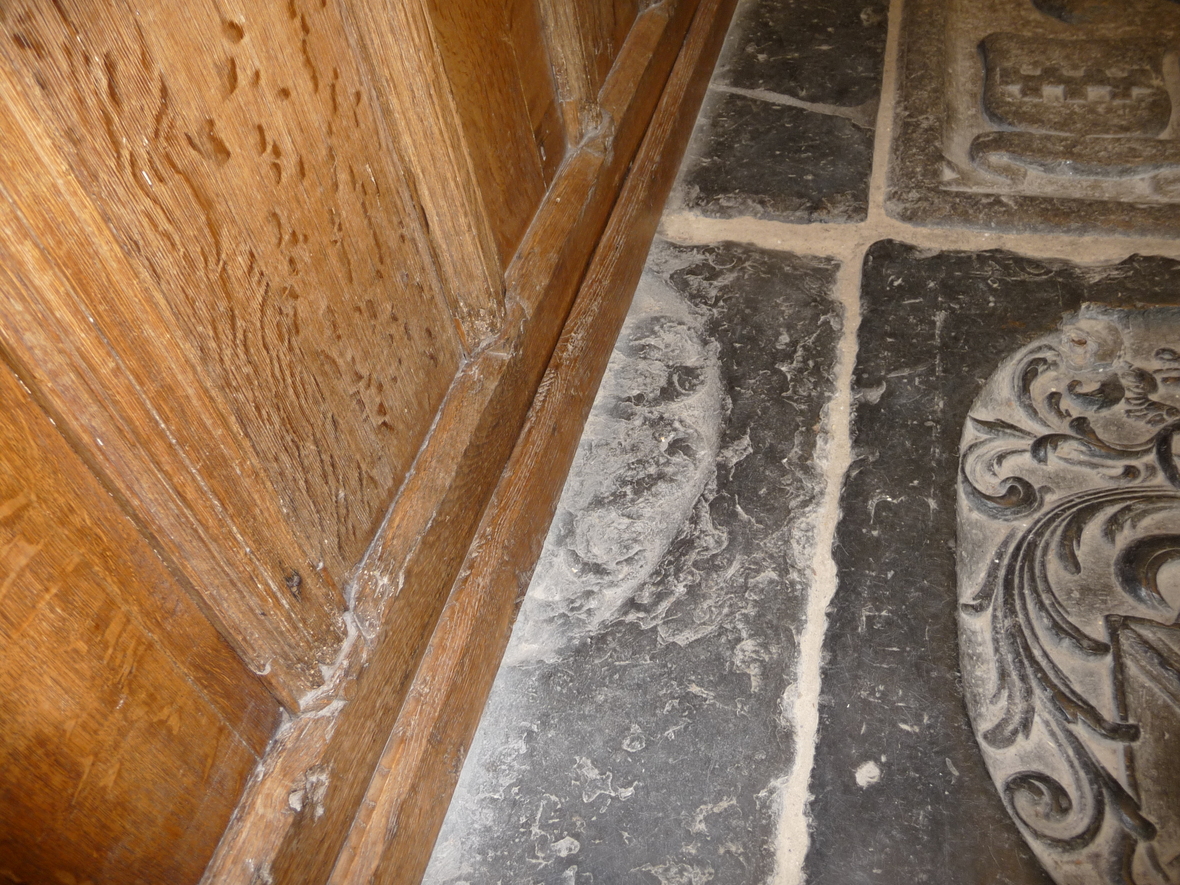
Nicasius the elder died in Amsterdam on August 22, 1600, and was buried there at the Oude Kerk; his burial stone inside the church (pictured above), indifferently covered by part of a church pew. I hope to visit.
ANCESTOR- MY ANCESTOR FROM FOUR CENTURIES AGO HAD HIS SURNAME SHOW UP IN A MODERN MOVIE
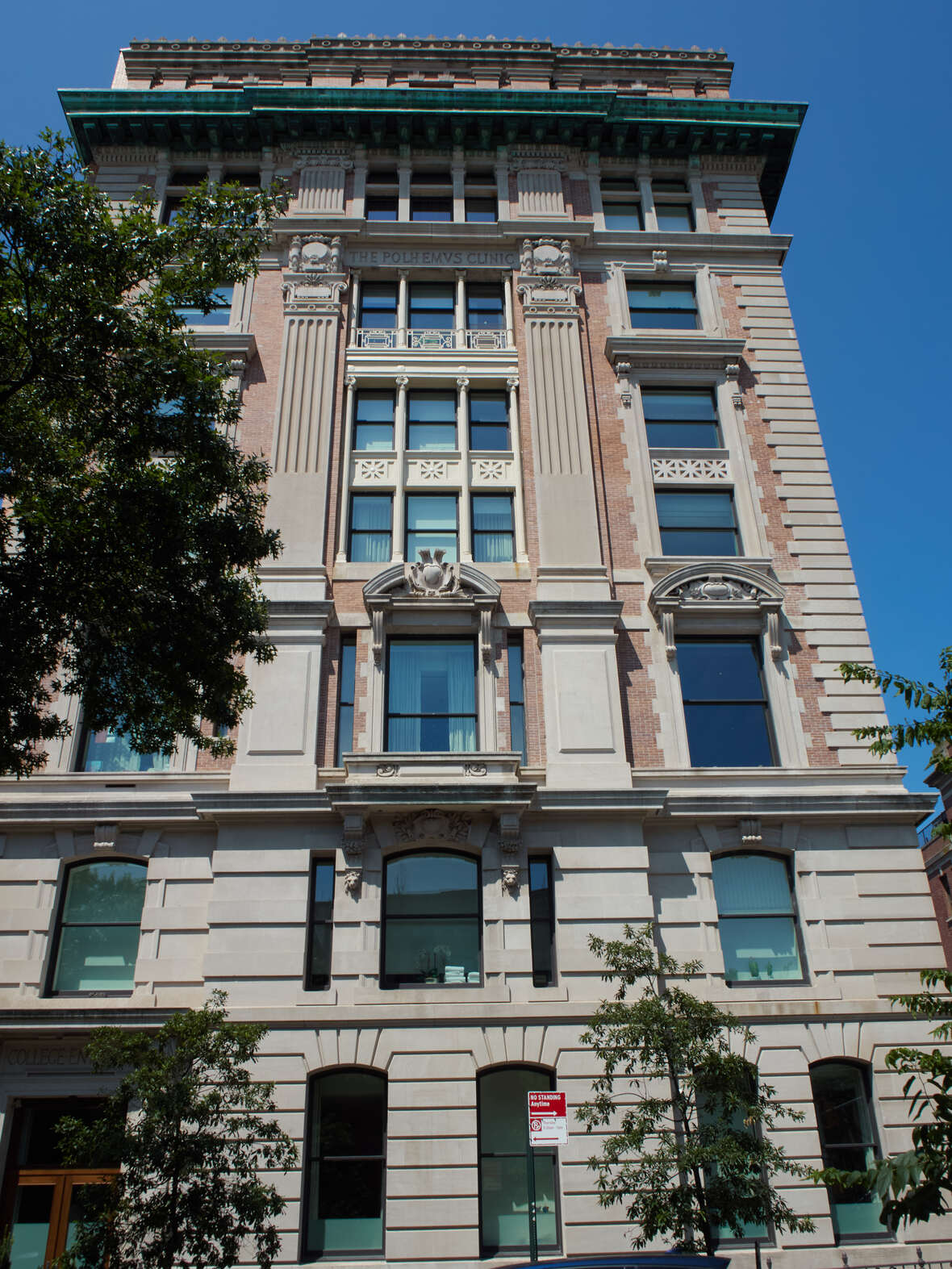
We recently saw the movie “The Devil Wears Prada 2”. In the movie, Anne Hathaway plays Andrea “Andy” Sachs. Not to be a spoiler, but Andy makes a leap and buys a place in a building with “Polhemus Dispensary” inscribed over the doorway.
One of our early ancestors was Johannes Theodorus Polhemus. He was born in 1598 in Germany. In 1620, he graduated with a degree in divinity from Heidelberg University. He then served as a minister in the Palatinate. In 1624, he was assigned to the church at Gieten, Drenthe, the Netherlands. In 1627, he moved to Meppel, where he stayed for seven years, married his first wife, whose name is unknown, and had one daughter.
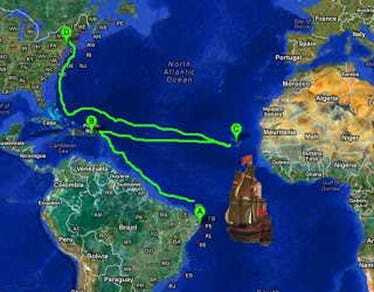
In 1636, Johannes applied to the Dutch West India Company and was sent to its colony in Recife, Brazil (see map). This was one of three anchors for Dutch settlement in the Western Hemisphere; the others were in New Amsterdam/New York and in the Caribbean. In 1638, he moved out to Itamaraca Island.
In 1643, at the age of 45, Johannes married Catherina Van Werven, a 15-year-old Dutch girl (it was legal back then) living in Recife. They had four children in Brazil between 1644 and 1649 before their lives were upended in the 1650s. In 1653, the Dutch lost their Brazilian colonies to the Portuguese. In 1654, the new Portuguese rulers gave the Dutch three months to convert to Catholicism and become Portuguese, or to leave. Catherina took her children to Amsterdam, in part to collect Johannes’ overdue wages from the Dutch West India Company.
To ensure she could support the family upon arrival, Reverend Polhemus gave her a formal Power of Attorney dated October 15, 1654, for her to demand and receive 4,190 guilders and 10 stivers from the Dutch West Indies Company for his earned salary and monthly pay.
The company refused to pay her. Left completely destitute and stranded in the Netherlands with four children, she had to rely on financial loans and charity from the Reformed Church) just to survive.
After nearly two years of trying to get her husband’s back pay, the DWIC Directors finally agreed to let Catharina and her children sail to New Amsterdam on the ship Gulden Otter to rejoin the Reverend. However, rather than giving her the back pay, the WIC treated the ship fare as an advance. In a June 1656 letter to Governor Peter Stuyvesant, the directors noted that the travel expenses would be deducted strictly from her husband’s salary earned in Brazil.
Back to Johannes, while Catharina was heading to Amsterdam, he sailed on a Dutch trader bound for New Netherlands (New York) to minister to the Dutch people on Long Island. It is safe to say, I think, that his journey did not go as expected.
First, his ship encountered a Spanish Privateer (a government-licensed pirate ship). They took the Dutch ship, its sugar cargo, crew, and passengers to the Cape Verde Islands (recently in the news for the hantavirus-infected cruise ship) off the African coast. When he was released, the ship that carried him and 23 Portuguese/ Brazilian Jews was again pirated by a French man-of-war. The French ship, the St. Charles, arrived in New Amsterdam in 1654. You can see Polhemus’ route on the pictured map.
Johannes was installed as minister in the Dutch town of Midwout – now known as Flatbush, Brooklyn. He was the first minister of the Dutch Reformed Church there. Within a couple of years, Catherina and their children joined him there (having been uncertain about his fate while they were separated). They went on to have three more children while they were living in New Amsterdam. He did own a tract of land in Midwout but was generally poor. Johannes died on September 9, 1676, at the age of 78 in Midwout.
Polhemus is a rare enough name that I figured that there had to be a connection, so I checked, and sure enough, the Polhemus Dispensary (Hospital) was found in memory of Henry Ditmas Polhemus, who, like me, was also a descendant of Johannes.
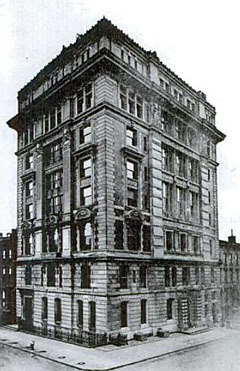
The Construction of the hospital was financed by Caroline Herriman Polhemus (died 1906), the sister of William H. Herriman, who provided $400,000 to the Long Island College Hospital (LICH) in memory of her husband, Henry Ditmas Polhemus, who served as the Regent of LICH from 1872 until his death in 1895. The hospital and the modern housing, fictionalized by Anne Hathaway’s movie boyfriend, are pictured side by side below.
I can’t decide whether Johannes’ pirate-ridden voyage was more stressful than driving the RV across the George Washington Bridge, being routed to the cars-only Henry Hudson Parkway, and having to reroute to the Trans-Manhattan Expressway, cross the Alexander Hamilton Bridge, and then head north on the Major Deegan Expressway (I-87) to Sleepy Hollow.
It was so special to have all of those NYC drivers cheering on our Texas-plated vehicle by honking their horns!

ANCESTOR- LOW DEMAND FOR ROUND-TRIP TICKETS
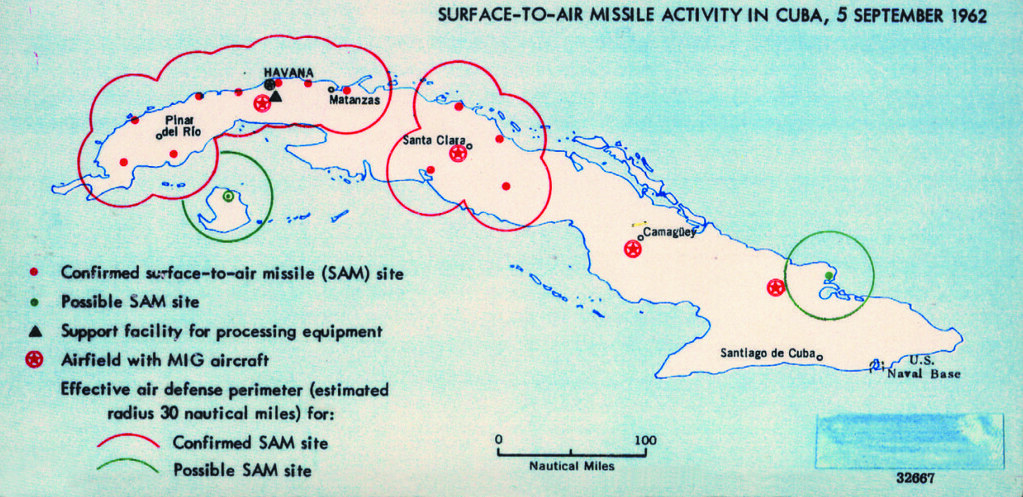
There’s been a lot of news lately about Americans being shot down over Cuba, and Raul Castro’s role. This all started after the Cuban missile crisis (see the map below). I was curious if any Cuban pilots have been shot down over America. The answer was none which when you consider how many flights there have been from Cuba to the U.S.- here’s a list, of direct flights made by Cubans to America:
1962: Pilot Jose Diaz Vasquez landed a Zlin 326 trainer aircraft in Key West.
1964: Crew members hijacked a Mil Mi-4 helicopter, landing it at Naval Air Station Key West.
1969: Lieutenant Eduardo Guerra Jimenez defected by flying a MiG-17 fighter jet directly into Homestead Air Force Base.
1987: Brigadier General Rafael Del Pino Díaz defected with his family by flying an Aerocaribbean Cessna 402 to Florida.
1991: Major Orestes Lorenzo Pérez famously slipped past U.S. radar to land his MiG-23 supersonic jet at NAS Key West.
1993: Captain Enio Ravelo Rodriguez duplicated the feat, landing another MiG-21 at Key West.
2022: The most recent event occurred when a pilot landed a Soviet-era Antonov An-2 biplane at a small airport in the Everglades.
None of those were hijackings, of which it’s estimated there were 30-40 of those over the years, along with hijackings of planes from the U.S. to Cuba.
From our perspective, the most famous flight in was in 2003, because the plane still sits behind Key West Airport. We reported originally on it https://gem.godaddy.com/p/f888e81 in 2024, and followed up with the outcome in 2025 https://gem.godaddy.com/p/552d0c1
These flights were all one-way tickets, whereas the picture above is not from a well-dressed hijacking, it was from Raul Castro’s 2015 visit to the United Nations, on a round-trip flight.
ANCESTOR- PRESERVE YOUR FAMILY HISTORY, TODAY
Reach out to Dancestors Genealogy. Our genealogists will research, discover, and preserve your family history. No one is getting any younger, and stories disappear from memory every year, eventually fading from our ability to find them.
Preserve your legacy and the heritage of your ancestors.
Paper gets thrown in the trash; books survive!
Ready to embark on your family history journey? Don’t hesitate. Call Dan Nelson AT 214-914-3598 and get your project started!
